07 / Our story
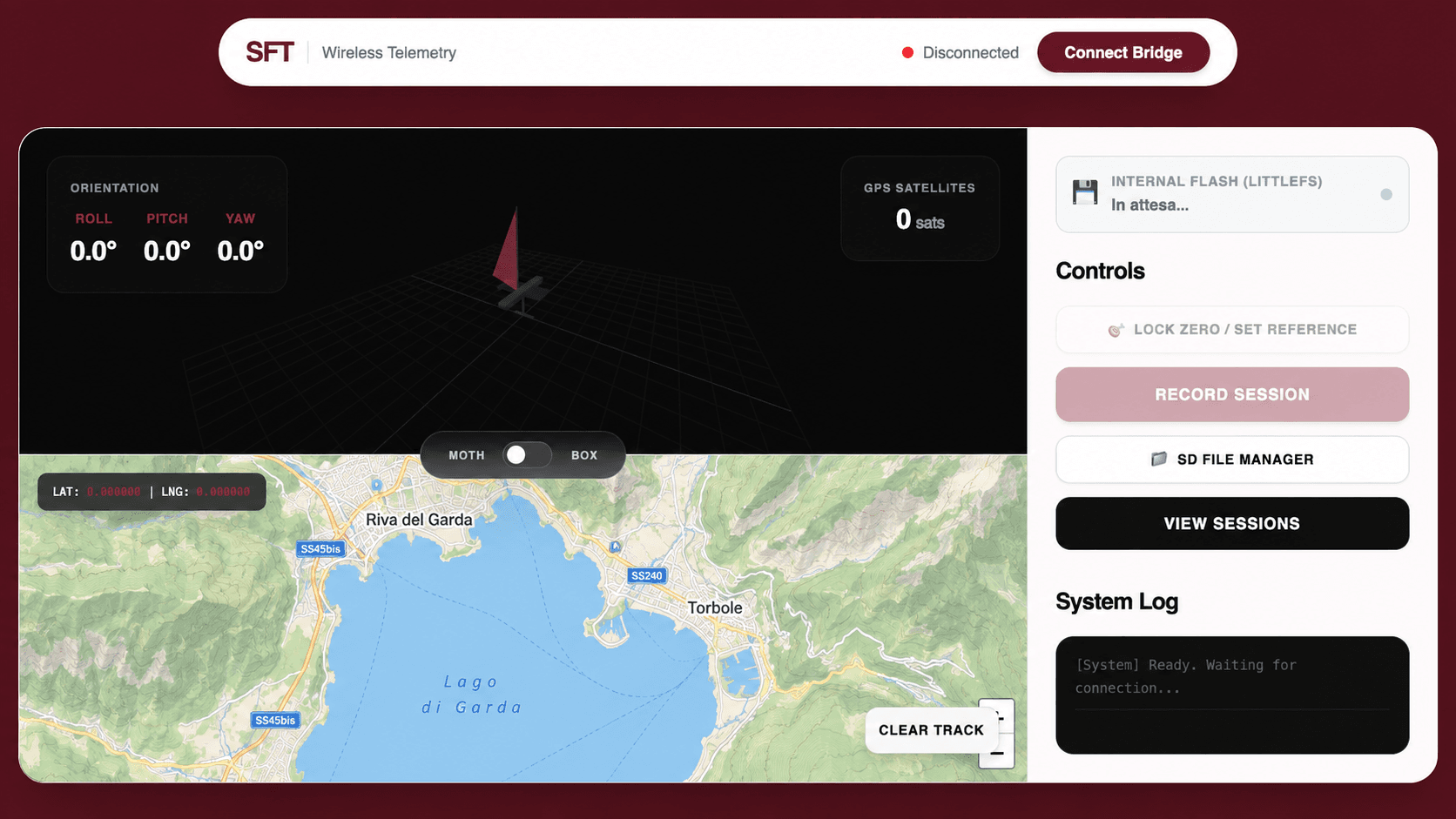
Making the boat’s movement visible.
I moved into electronics because the team needed it and I wanted to experiment. I had always wanted to tinker with hardware, even though I had little experience. Taking that first step introduced me to a physical side of building that I had barely explored, and made me want to try more projects.
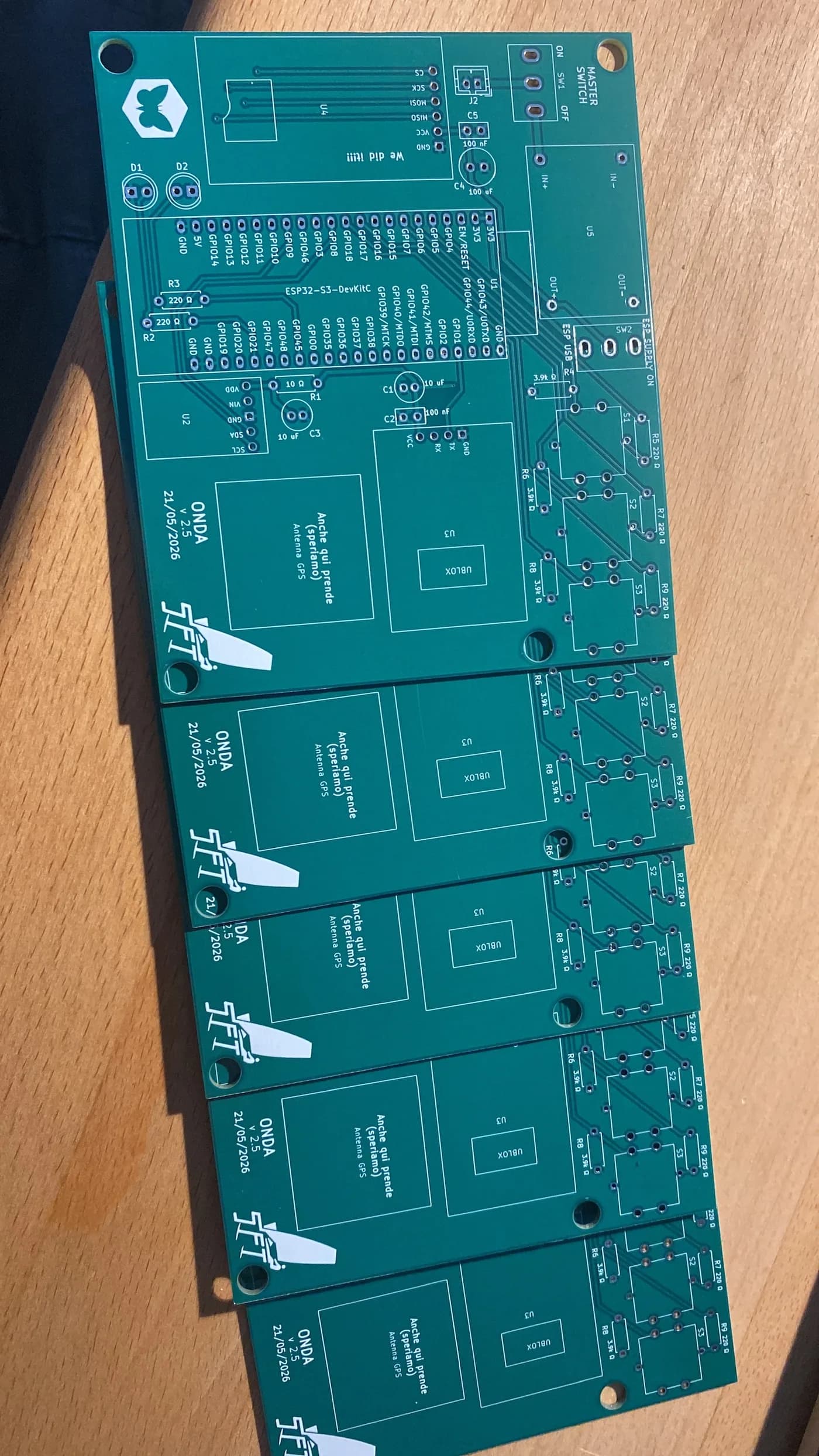
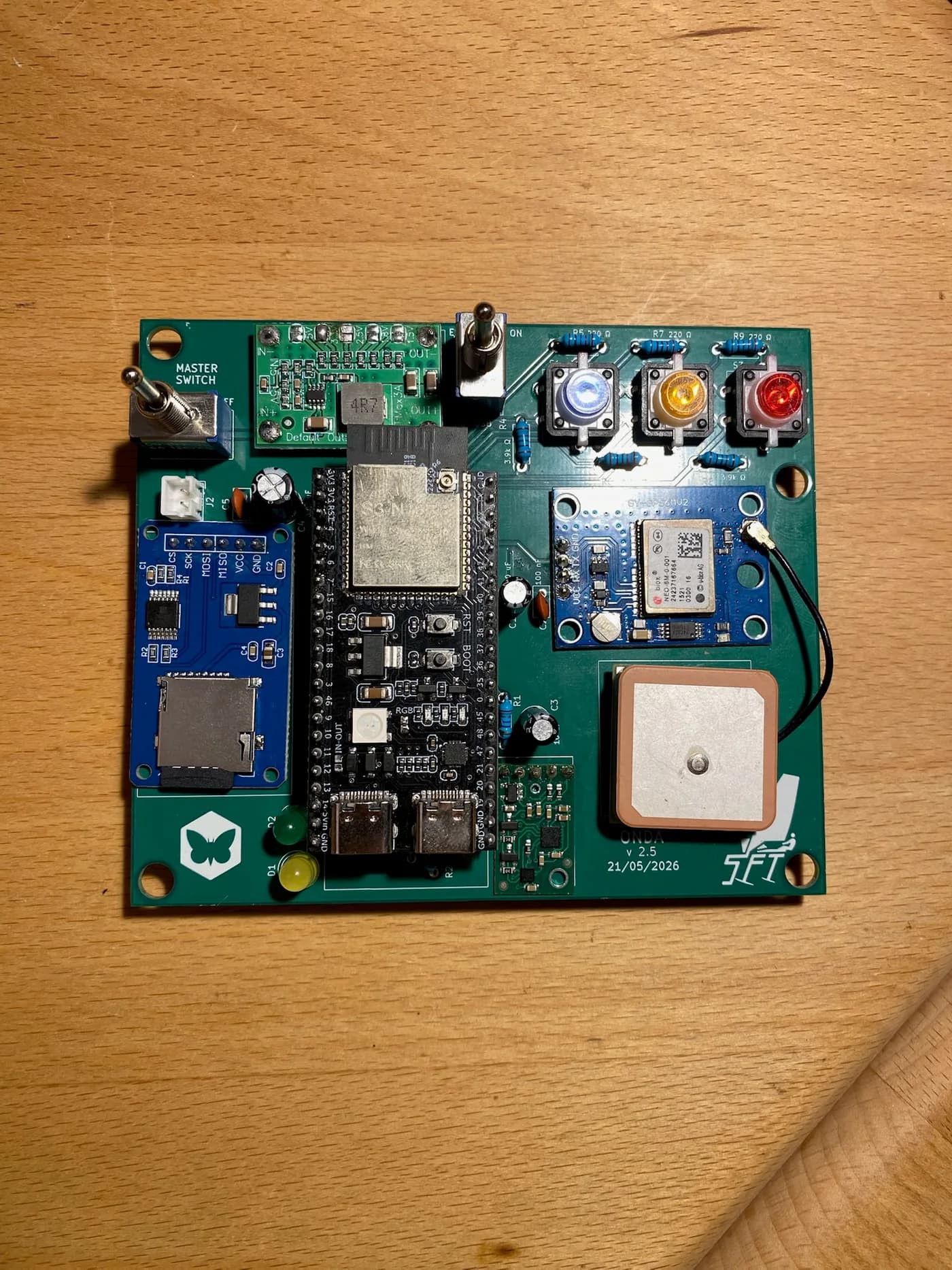
Working alongside Francesco Miletto made a huge difference. He also belongs to Sapienza Gladiators, the university’s motorcycle team, and brought experience I did not have. We chose the components and designed the PCB together, then worked through assembly and soldering. Having someone experienced beside me helped me learn far more than I could have done alone.
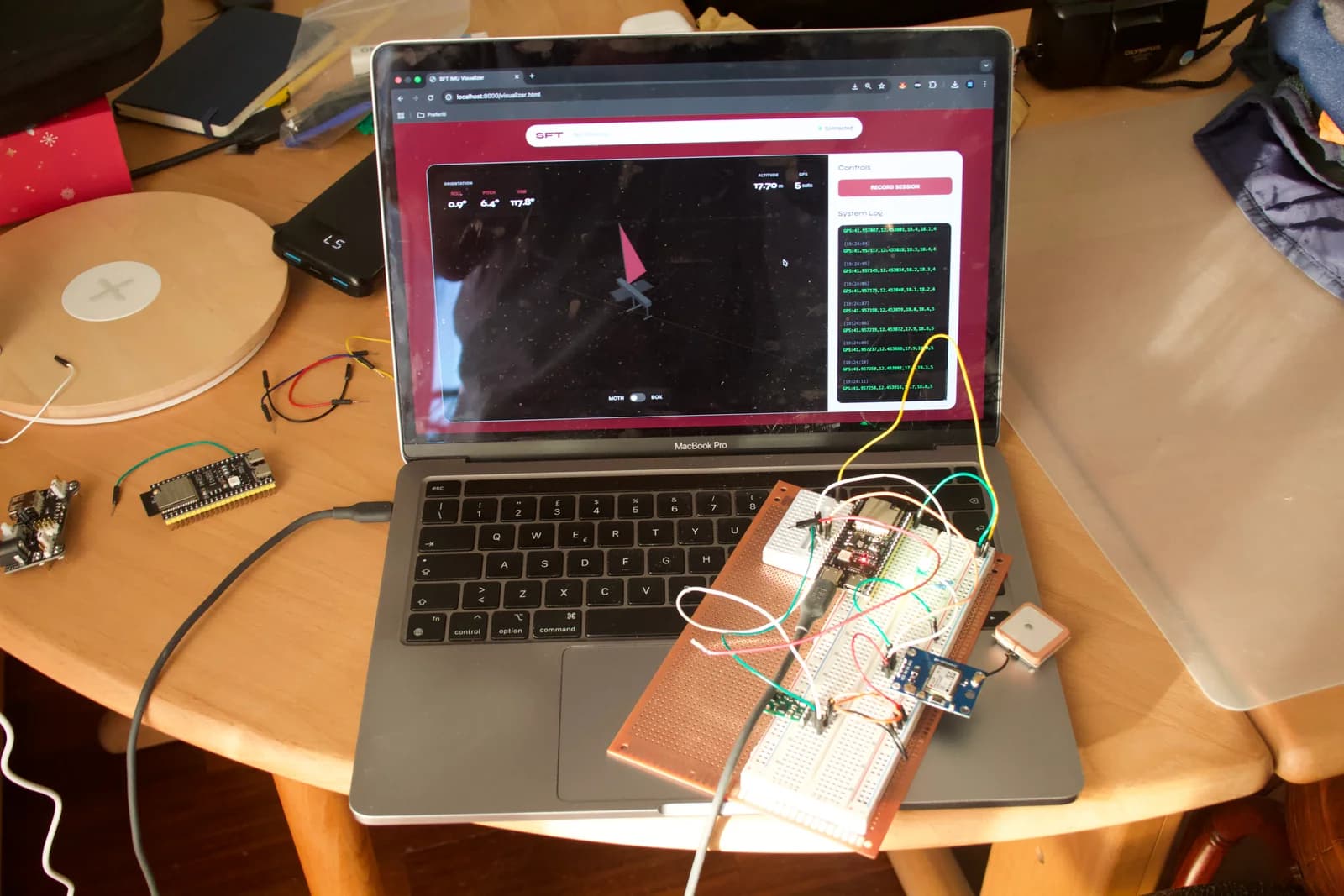
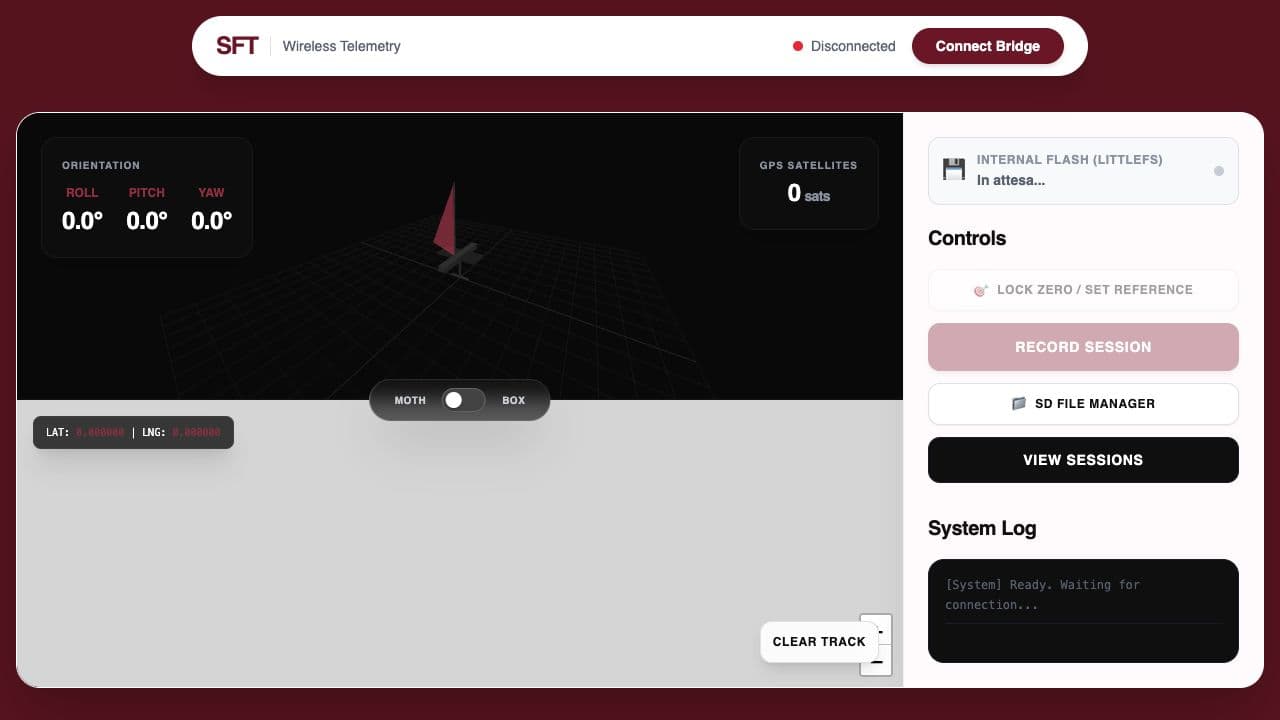
The aim was to record the boat’s position, speed, acceleration and movement with a compact system. We chose an ESP32-S3, a GPS module, a Pololu MinIMU-9 v5 with accelerometer, gyroscope and magnetometer, and a microSD reader for storing the data, powered by a battery intended for small FPV drones. The system is designed to sit inside a waterproof enclosure, so the electronics can stay dry aboard the boat.
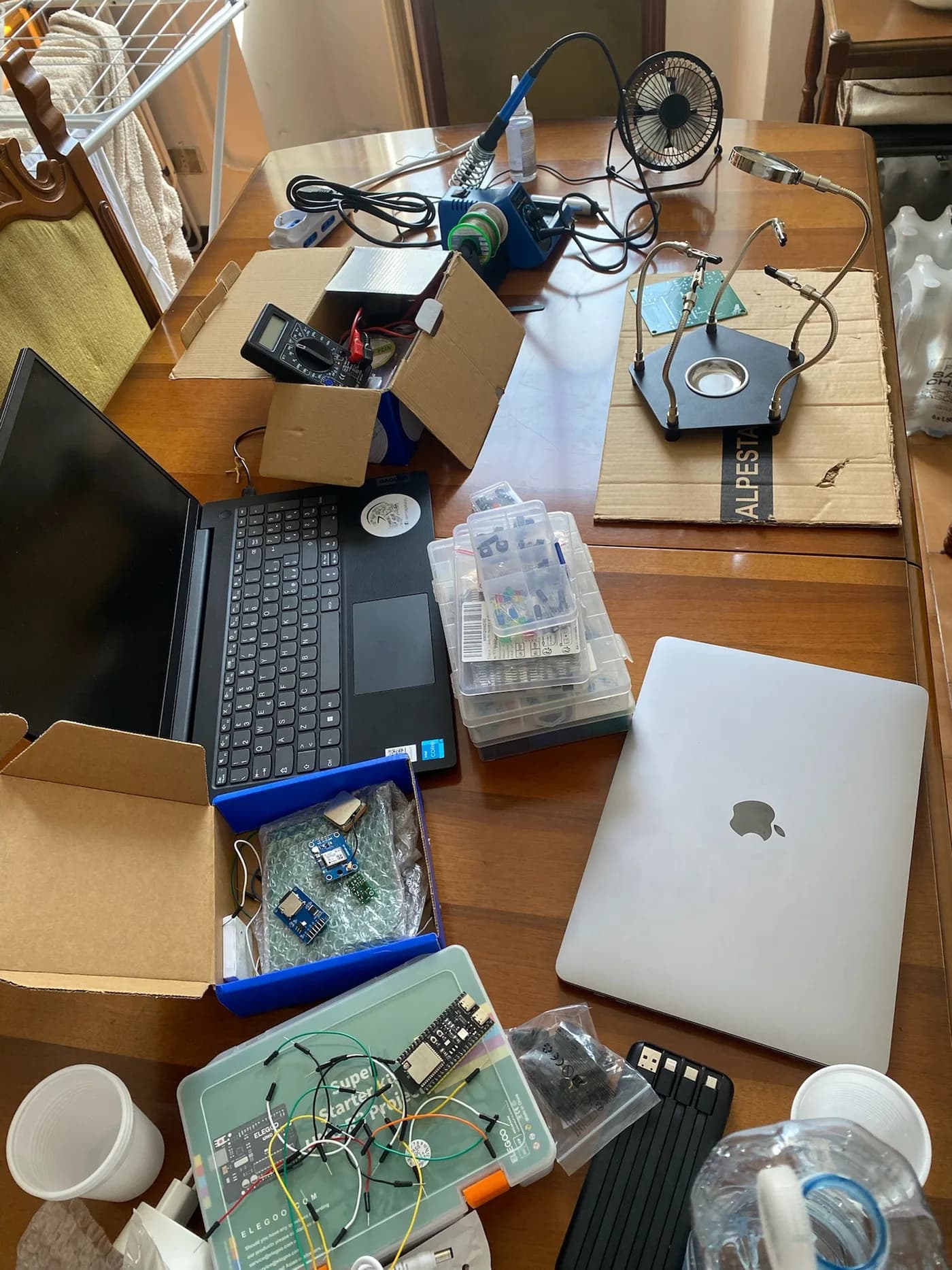
That started on a table, with computers, cables and sensors. Before designing a finished board, I had to make the individual parts communicate and understand what they were telling me. The photograph captures that stage: the project spread across a workbench, while software and electronics began to meet.